Category Archive News

Arguing at School: Learning Teaching Training Activities (LTTA) week in Ogulin

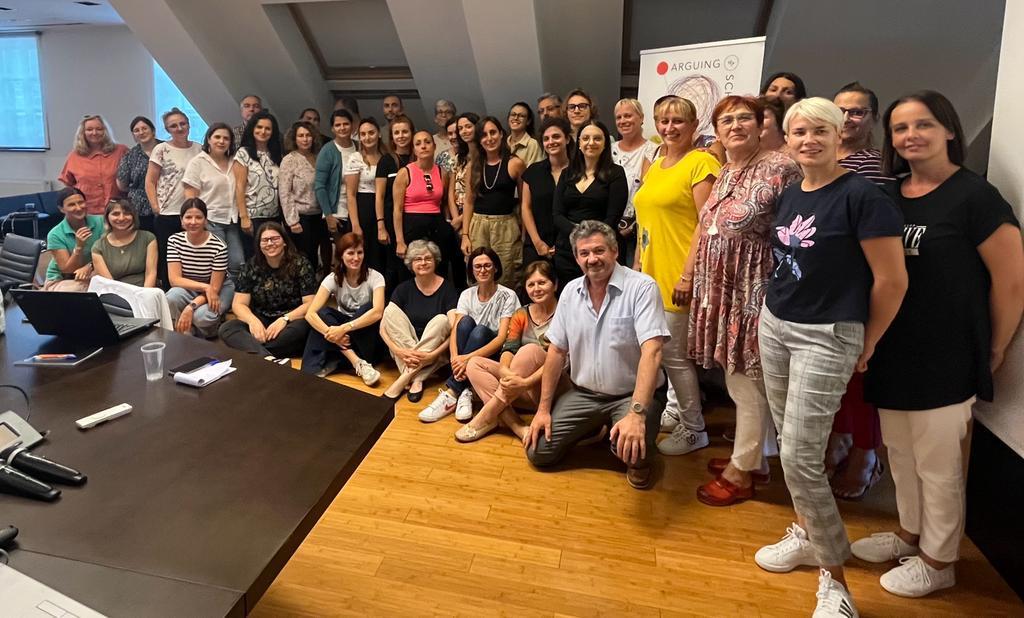
During the last week of August, from August 28th to 31st, a Learning Teaching Training Activity (LTTA) of the project Arguing at School took place in Ogulin, Croatia.

It aimed to train educators and teachers from various nations (Italy, Croatia, Slovenia, Malta and Romania) on three innovative psycho-pedagogical approaches designed to give children and adolescents the competences to manage conflicts autonomously.

These three approaches include the “Litigare bene” method by Daniele Novara, developed by CPP in Italy and implemented in a few schools in other countries like Croatia; the Friendship Cards, created by the Relationships are Forever Foundation, is used in Malta and translated into 20 languages; the Peer Mediation method developed and used in Croatia.

The primary emphasis was on underscoring the idea that adults (parents, educators, or teachers) should no longer take an active role in resolving children’s disputes. Instead, they should instruct adolescents in emotional intelligence, which, coupled with communication skills, will empower students to navigate their conflicts (such as disagreements with classmates) independently.

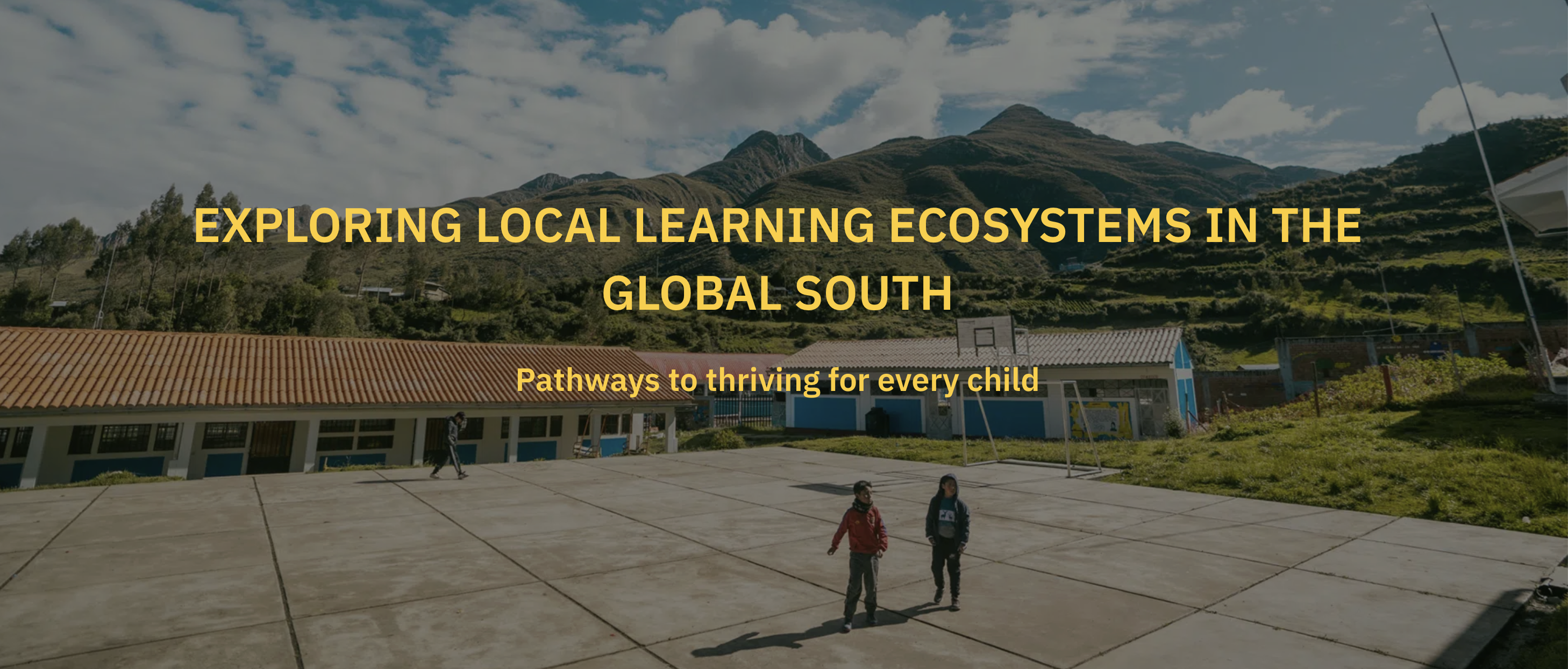
Exploring local learning ecosystems in the Global South: Pathways to thriving for every child

The Learning Planet Alliance has published the Learning Ecosystems in the Global South Programme Report, titled Exploring local learning ecosystems in the Global South: Pathways to thriving for every child, result of the research, consultation and exploratory inquiry to understand the potential of learning ecosystems in the Global South to transform the paradigm of education.

The Global South represents 85% of the world and many children living in these areas face a multitude of adverse experiences during their childhood. These adversities need to be faced by unpacking the belief systems, mindsets, prejudices and educational processes / structures and by using specific strategies. 

This document, which can be downloaded at this link, presents 11 learning ecosystems, meaning successful intervention in the educational system in the context of the Global South, which are believed to create more than marginal innovation. The Learning Ecosystems in the Global South programme is committed to creating a future where learning ecosystems thrive and propel educational transformation on a global scale.

At this link, you can find more information about the programme and the report.

CITIZED – Policy Workshop in Nice

Within the framework of the ERASMUS+ project (KA3) CITIZED (Policy implementation support and teacher empowerment for CITIZenship Education), a series of 5 Policy Workshops took place, one per each partner country: Malta, Belgium, Austria, France and Italy. The workshop served to contribute to the policy debate in all EU member states starting from a cross-cutting discussion at all levels involved. 

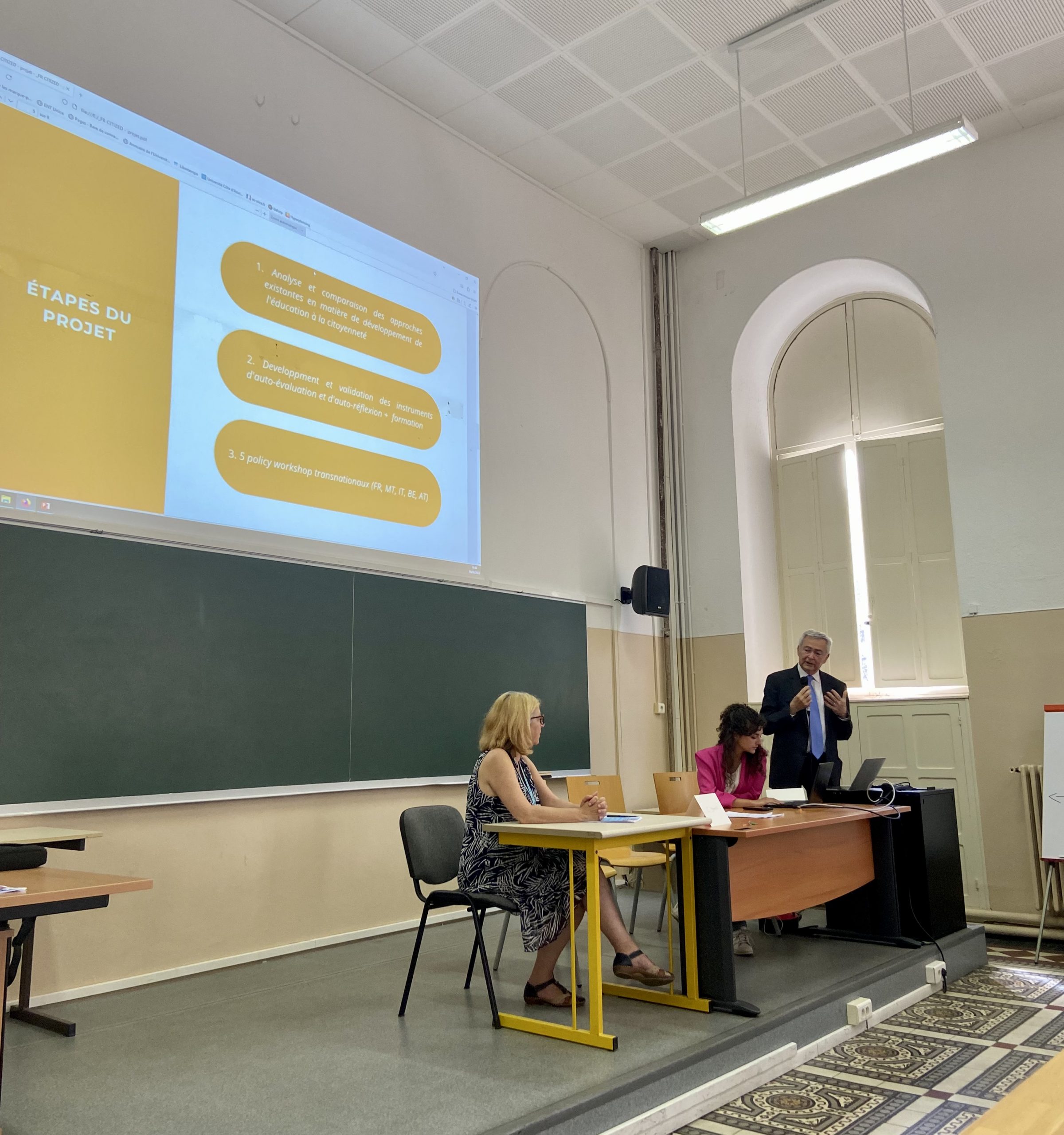
The Policy Workshop in France took place in Nice on June 9th 2023 at the Inspé de l’Académie de Nice from 9.00 am to 1.00 pm. A series of speeches was delivered in the first part of the morning. More specifically, the speakers that intervened were the following: Franck Brillet – Directeur de l’Institut National Supérieur du Professorat et de l’Éducation (Inspé) de l’Académie de Nice – UCA; Frédérique Cauchi-Bianchi – Directrice de l’École Académique de Formation Continue – Rectorat de l’Académie de Nice (Topic of the speech: Education to citizenship: Needs for in-service training for 1ary and 2ndary school teachers); Romain Millet – Chef du Service Environnement Scolaire, Direction Éducation and Pierre Fiori – Conseiller Municipal délégué à la Citoyenneté à l’école – Ville de Nice (Topic of the speech: The citizenship policy for the schools of the City of Nice: a proactive approach based on a partnership with the educational community).

Hence, the partners also presented some of the outputs of the project: the challenges to citizenship education identified, the modules for teachers training created and the citizenship education toolkit produced. In the second part of the morning working groups were created in order to discuss the needs in terms of citizenship education both at the institutional level and at the school level.

The results of the workshop are recorded in a report and they will be soon analysed and combined with what emerged in the other policy workshops. 

CITIZED – Transnational Project Meeting in Nice

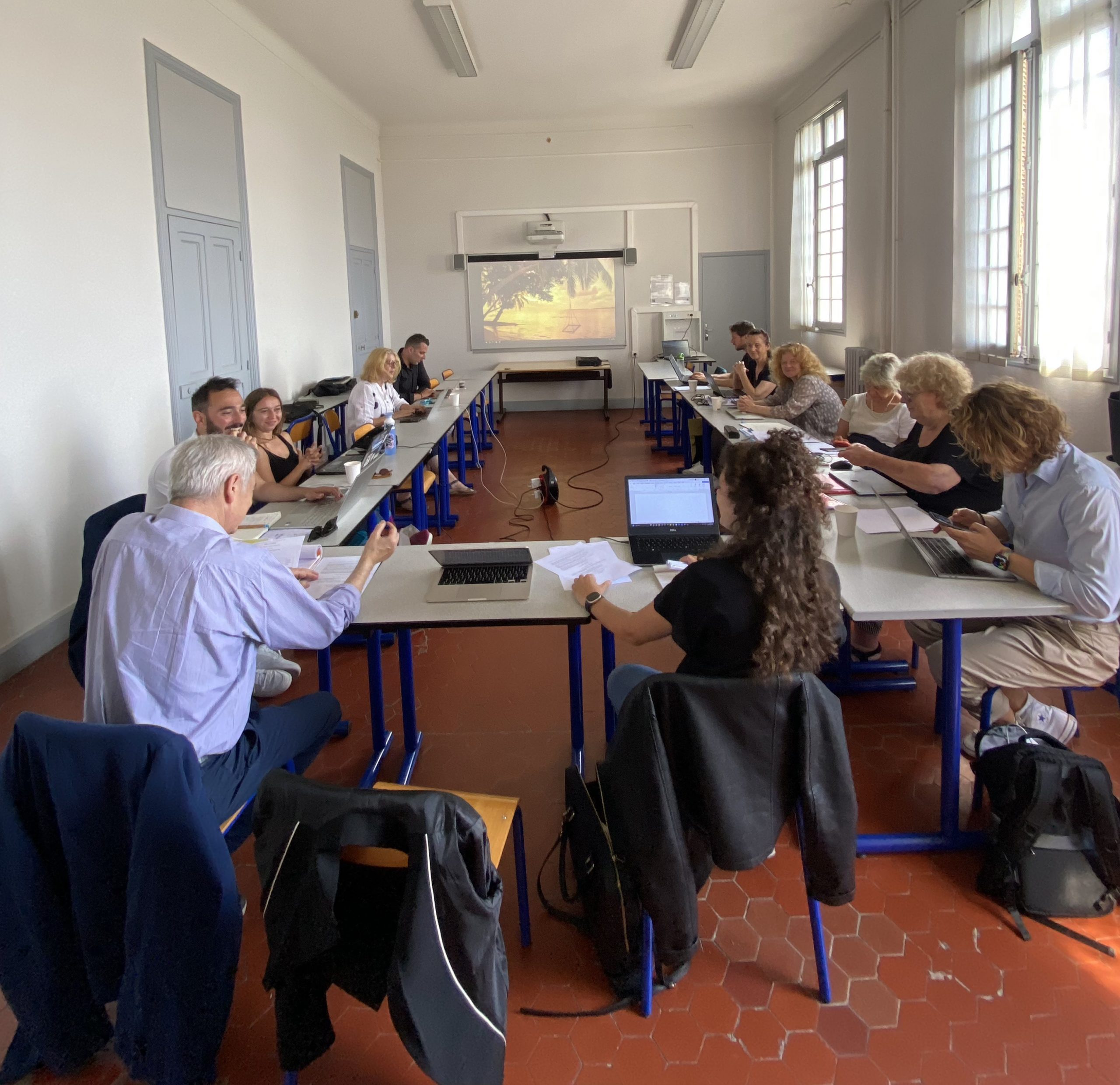
On June 8, the CITIZED partnership gathered in Nice, France, to discuss the development of the project. The meeting was organised and hosted by Côte d’Azur University and involved all partners of the project. 

During the Transnational Project Meeting, the partnership made several steps forward in the implementation of the project. Among others, partners discussed the further development of the Whole School Approach Toolkit and of the modular training path for teacher training. Moreover, the implementation and the results of the Policy Labs – coordinated by the IIHL team – were discussed, along its resulting set of policy recommendations. All project results will be available soon.

LICEAL – Transational Project Meeting in Vienna

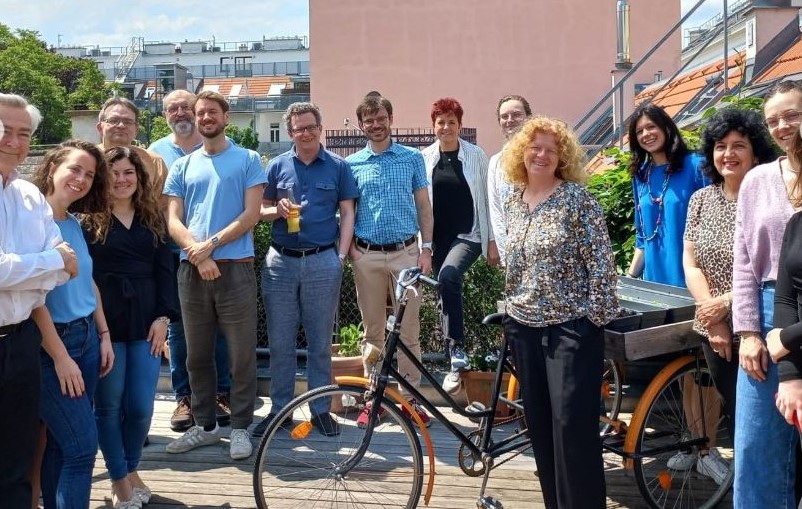
On May 25 and 26, the LICEAL – LInking Citizenship and Employability perspectives in Adult Learning strategies and practices – partnership gathered in Vienna, Austria, to discuss the development of the project. The meeting was organised and hosted by Wiener Forum für Demokratie und Menschenrechte and involved all partners of the project. 

The Transnational Project Meeting allowed all partners to share their ideas about the upcoming steps of the project and on how to implement them in the future, in particular the interweaving between the different work packages and the stakeholders’ involvement. 

The first important project deliverable that will be released in July 2023 and that was reviewed by the participants in Vienna is the Analytical Review of Adult Learning Practices linking Citizenship and Employability Learning Outcomes: the review will include a series of relevant best practices and projects on this topic, selected by each partner and coming from all over the World. 

Another important result that was presented in Vienna was a systematisation, carried out by DARE Network, of the most relevant competences of Citizenship Education emerging from the research activity, that were divided into clusters and that graphically represent the most important skills for a better inclusion of adults in the labour market.

The next Transnational Project meeting of LICEAL will take place in Almuñécar, Spain, in November 2023. 

CITIZED: Policy Workshop “Citizenship Education in Italy: challenges and opportunities” in Bologna

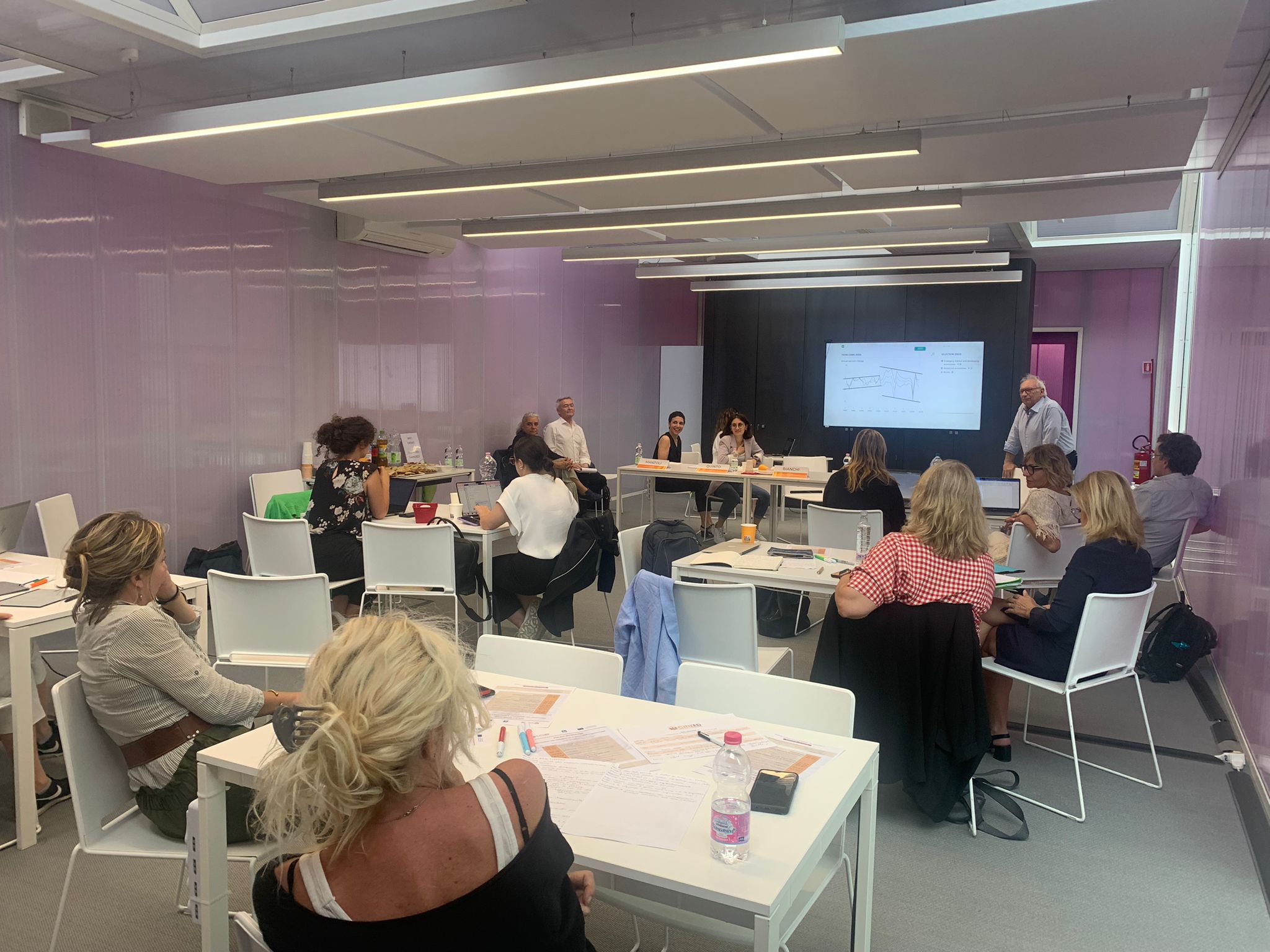
On June 12th 2023, as part of the activities of the ERASMUS+ CITIZED project, the Policy Workshop in Italy, entitled “Citizenship Education in Italy: challenges and opportunities” took place in Bologna.

The event was open to researchers, students and academics, local and school authorities, teachers, school leaders and, in general, associations and citizens interested in the topic. Some speakers intervened in the first part of the event: Patrizio Bianchi – Professor of Applied Economics at the University of Ferrara, UNESCO Chair of “Education, Growth and Equality,” former Minister of Education; Raffella Curioni – delegate for schools of ANCI Emilia-Romagna and Councillor of the Municipality of Reggio Emilia; Annalisa Quinto – University of Bologna, UNESCO Chair in Global Citizenship Education; Federica Manzoli – University of Modena and Reggio Emilia, Ithaca project. Following these talks, participants were able to visit the school area of the Golinelli Foundation (School of Ideas). Once the visit was over, Claudio Dondi presented the results of the CITIZED project and the activity of the second part of the workshop, which consisted of a working group session. The participants could choose which questions they would like to discuss among the following: 1. How to raise school and local community awareness of the mission of citizenship education? 2. How to help teachers develop the social and relationship skills of citizenship? 3. How and why to assess civic skills? The discussion was very fruitful and led to a set of key issues that will be soon integrated in a comprehensive report together with the series of proposals that emerged in the other policy workshops. All the proposals will therefore lead to a set of policy recommendations as the project foreseen. 

The point of view of two Italian Montessori teachers: after the Arguing at School ME in Bucharest

The point of view of two Italian Montessori teachers, weren’t expecting to find so many applicable Montessori principles to bring back to their schools.

The most interesting thing during the multiplier event in Bucharest was to have the main theme (arguing at school) examined from different points of view: not only teachers and children, but also parents, and even policy makers.

And they find themselves looking forward to the new project meeting in Croatia [a full learning week planned in august 23] for greater input on the practical methods presented in Bucharest.

Read more about it here.


Il punto di vista di due insegnanti montessoriani italiani, che non si aspettavano di trovare così tanti principi montessoriani applicabili da riportare nelle loro scuole.

L’aspetto più interessante dell’evento moltiplicatore di Bucarest è stato quello di vedere il tema principale (litigare a scuola) esaminato da diversi punti di vista: non solo insegnanti e bambini, ma anche genitori e persino policy maker.

E non vedono l’ora di partecipare al nuovo incontro del progetto in Croazia [una settimana di apprendimento completa prevista per Agosto 2023] per avere maggiori input sui metodi pratici presentati a Bucarest.

L’intero articolo è disponibile a questo link.


Policy Labs in action all over Europe for the MUST-a-Lab project

The project “MUlti-STakeholders Labs for migrants and stakeholders,” funded by the Asylum, Migration and Integration Fund of the European Union, is currently implementing Policy Labs in six local administrations across Europe: Mechelen in Belgium, Modena in Italy, Fuenlabrada in Spain, Livadia in Greece, Grenoble in France and Vienna in Austria. 

The general objective of the project is to adopt a bottom-up approach in designing local integration strategies for migrants and citizens with a migratory background, in order to bring Policy Makers closer to final beneficiaries of the local policies. The Policy Lab approach foresees an horizontal dialogue between the participants, being them grassroot stakeholders or field experts: in this scenario, a fundamental role is played by the Facilitator, a figure devoted to help all the voices being heard and to avoid overpowering and elitist dynamics. 

Five of the six local administrations involved – with the exception of Grenoble Alpes Métropole, which just recently officially joined the process – have completed the first round of consultations, consisting of a Preparatory Workshop and two Policy Labs. During these events, participants had the opportunity to get to know each other, bring their personal and professional experience to the table, and design together proposals to address the needs and criticalities detected in their cities.

At the beginning of the project, each of the five local administrations chose specific policy challenges based on the local context analysis. These challenges include increasing the sense of belonging at school for pupils with migrant roots, promoting respect for human rights through democratic participation and education, improving social and health services for migrants, involving young people with a migrant background through volunteering opportunities, sports and job orientation, and encouraging the political participation of youth through associationism.

The Policy Labs have partly confirmed and partly modified these challenges. Now, the partner cities have the important task of implementing the proposed solutions through micro-experiments that will develop between June and November 2023.
Transnational Project Meeting and Multiplier Event of Arguing at School in Bucharest, Romania

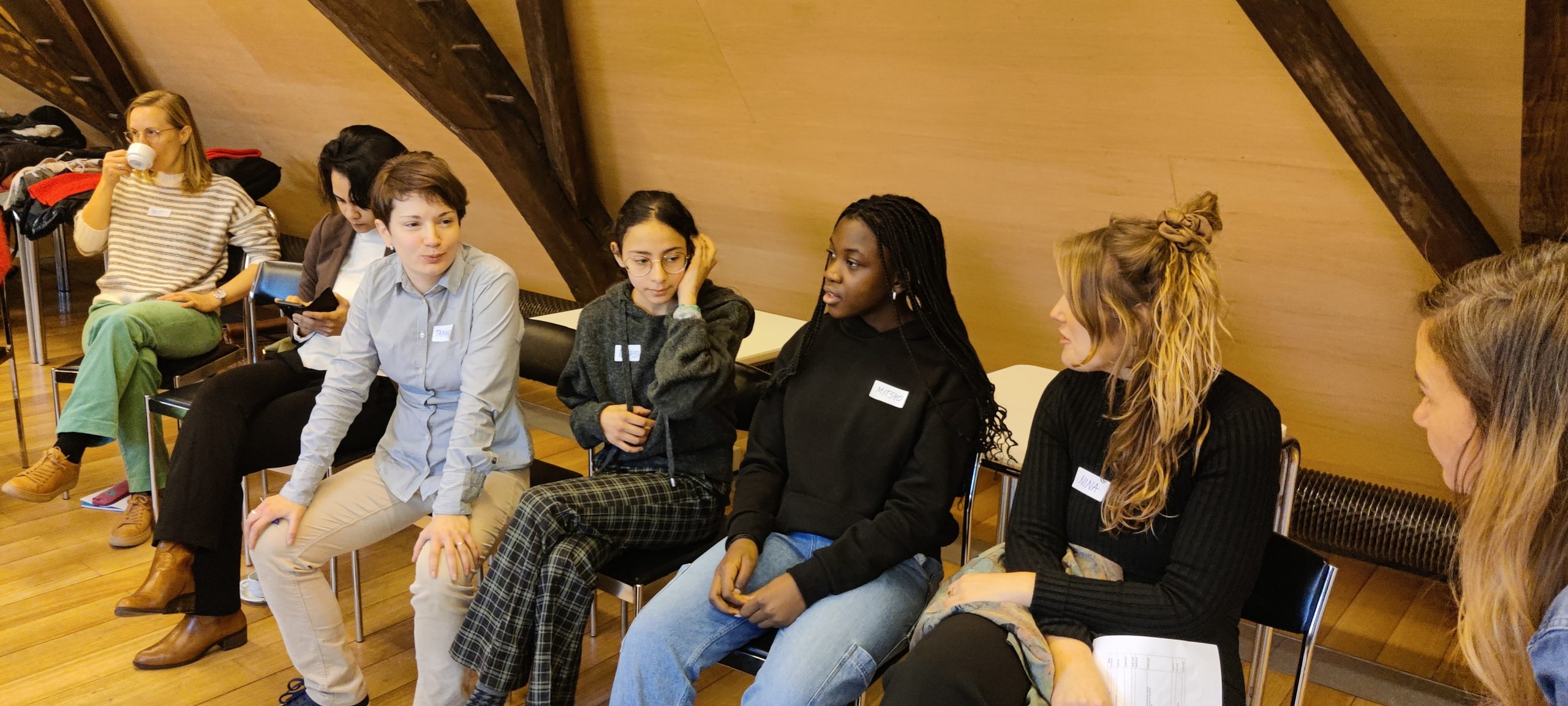
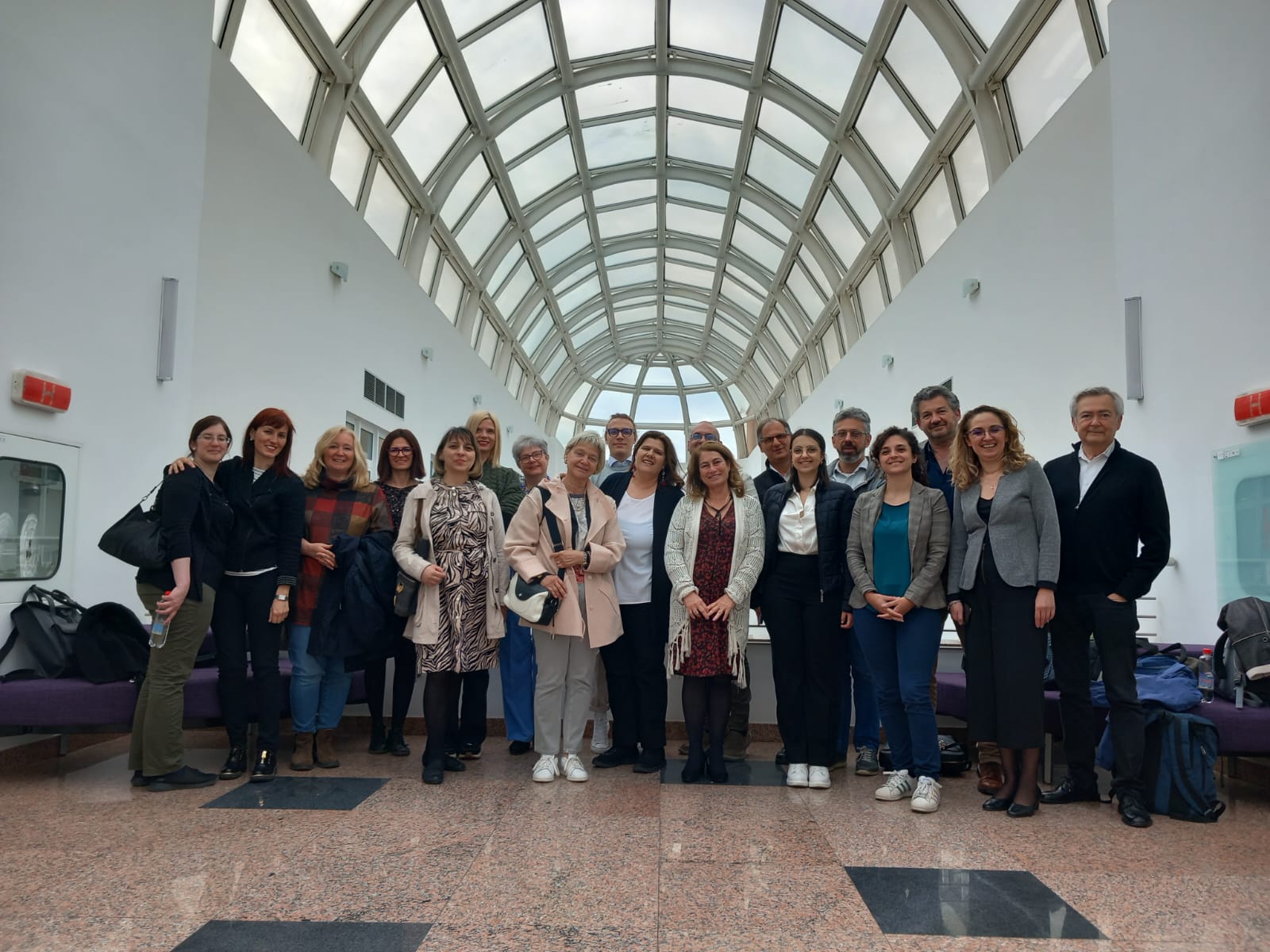
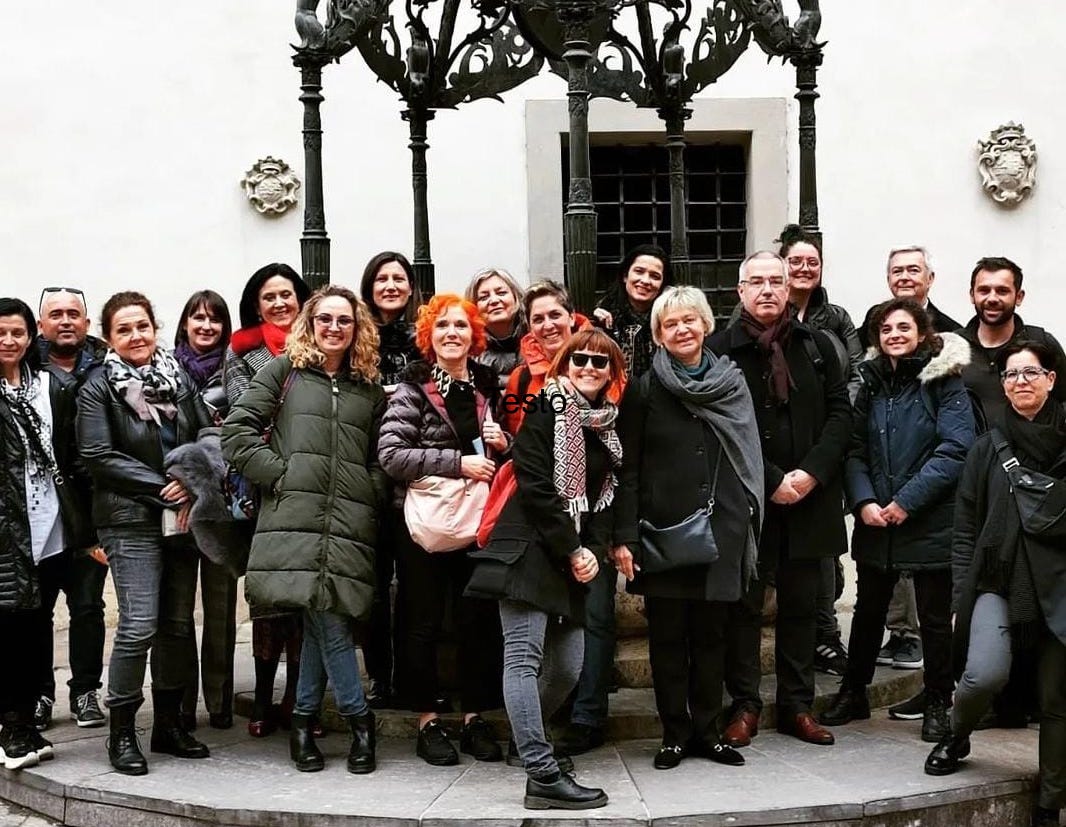
From May 11th to May 12th, the Litigare a Scuola consortium met in Bucarest, Romania, for the project Transnational Project Meeting and for a Multiplier Event organised within the project activities. The meeting was hosted by the Romanian partners Innovate4Future and Colegiul Sfantul Sava.

During the TPM, which took place on May 11th, several steps forward were made in the implementation of the project. Among others, partners discussed the further development of the Theoretical Framework of the three methods implemented within the project, its dissemination strategies, the structure of the toolkit to be tested in Autumn, the guidelines for the Whole School Approach and, finally, the first steps of the implementation of the policy labs to develop a set of policy recommendations.

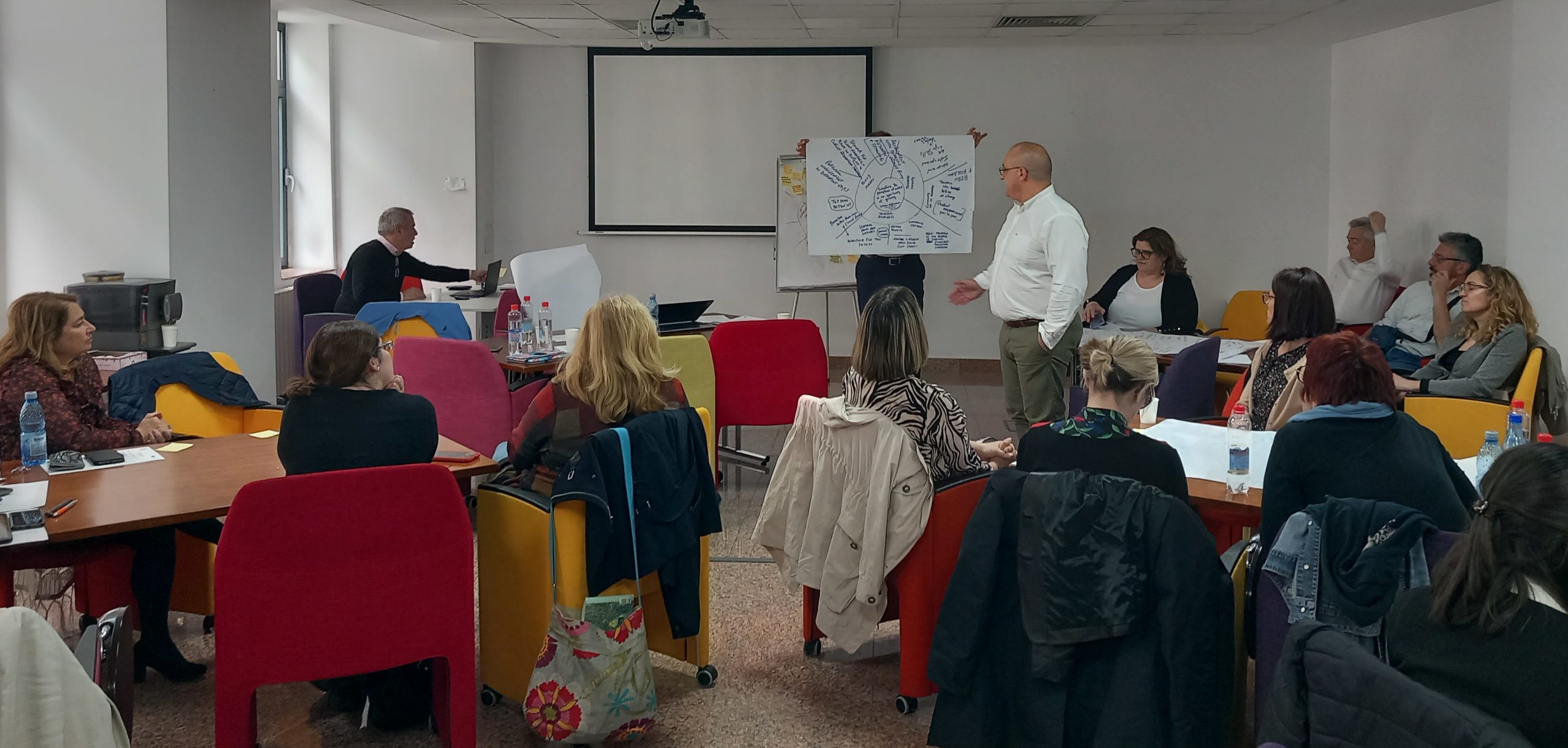
During the ME, taking place on May 12th, the partners presented the projects and its products to an audience of 50 persons (other 30 persons were connected online). The ME was well participated and several guests also intervened in the event talking about their experiences.

In the afternoon, the audience was divided into different groups, that were asked to present stragies to tackle three issues related to conflict transformation at school: 1) general awareness of the need of methods; 2) curriculum changes in the education system; 3) the promotion of methods in teachers trainings. The results of the brainstorming will be used as a basis for the creation of the policy recommendations, which, as mentioned, will be defined after the policy labs (Autumn 2023 – Spring 2024).

Transnational Project Meeting of PERFECT in Graz, Austria

The PERFECT partneship landed in Austria, hosted by the partner school BORG Dreierschützengasse! The meeting took place from March 30th to 31st in the beautiful city of Graz.

The meeting represented an enriching opportunity for the partnership to meet also the students involved in the project. As a matter of fact, the schools and the teachers organised several sessions in which students were involved as singers, musicians and actors. During the first day, a short theatrical performance – that will be included in the PERFECT final cultural product – was staged by the students.

Beside the wonderful performances of the students, the TPM was very fruitful for the implementation of the project results. More specifically, the conceptual model was further validated and finalised, the handbook for school leaders was improved and finalised and brainstorming on the guidelines and on the virtual showcase were organised. The different partner schools also presented the development of the cultural products by showing videos and presentation.

The PERFECT partnership will meet again in Malta in October 2023. During Autumn, several multiplier events – during which the performance of the students will be staged – will take place in Italy, Malta, Austria and Romania, stay tuned!